
Des chercheurs ont testé 268 enfants afin de savoir s’ils allaient admettre un mensonge inoffensif. Les enfants qui venaient de se faire raconter une histoire où un menteur se fait punir confessent moins souvent que les enfants ayant écouté une histoire où le menteur se faisait récompenser d’avoir dit la vérité.
Pour lire l’article original publié dans Psychological Science le 13 juin 2014, cliquez ici.
Auteur à contacter pour plus d’informations
Kang Lee, Université de Toronto, Ontario
When it comes to getting kids to tell the truth, “Pinocchio” has got nothing on “George Washington and the Cherry Tree,” a new experiment suggests.
Researchers tested 268 children age...
Read more
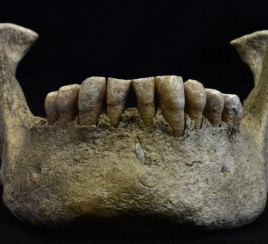
[caption id="attachment_2078" align="aligncenter" width="339"] This 4000-year old skull is missing the two front incisors and has a projectile tip embedded in the jaw just below where they would be, b...
Read more
